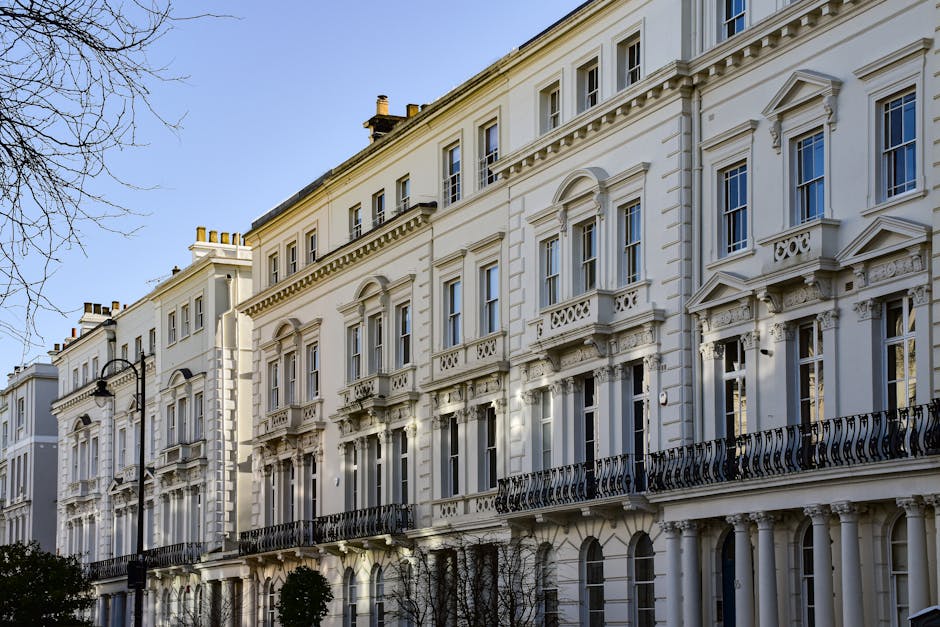
Belgravia end of tenancy cleaning tips for SW1 residents
If you are moving out of a flat in Belgravia, you already know the drill: the boxes pile up, the keys are nearly handed back, and suddenly every skirting board seems to have an opinion. Belgravia end of tenancy cleaning tips for SW1 residents are not just about making a place look tidy. They are about meeting the expectations that matter at checkout, protecting your deposit, and avoiding that awkward back-and-forth with the landlord or managing agent.
Truth be told, end of tenancy cleaning in SW1 can feel more exacting than a regular deep clean. High-spec finishes, busy households, and tighter inspection standards all raise the bar a little. This guide breaks the process down clearly, from what really matters in the clean to the common mistakes people make in a rush. You will get practical steps, a useful checklist, and a grounded sense of what good looks like in a Belgravia property.
Table of Contents
- Why Belgravia end of tenancy cleaning tips for SW1 residents Matters
- How Belgravia end of tenancy cleaning tips for SW1 residents Works
- Key Benefits and Practical Advantages
- Who This Is For and When It Makes Sense
- Step-by-Step Guidance
- Expert Tips for Better Results
- Common Mistakes to Avoid
- Tools, Resources and Recommendations
- Law, Compliance, Standards, or Best Practice
- Options, Methods, or Comparison Table
- Case Study or Real-World Example
- Practical Checklist
- Conclusion
- Frequently Asked Questions
Why Belgravia end of tenancy cleaning tips for SW1 residents Matters
End of tenancy cleaning matters because the final condition of the property can influence whether a tenancy ends smoothly or turns into a debate. In Belgravia, that often means attention to detail. Think polished marble, fitted appliances, bright windows, and carpeted rooms that show every patch if they are not treated properly. A quick once-over rarely cuts it.
For SW1 residents, the location itself changes expectations a bit. Many homes here have higher-end fittings, older features that need careful treatment, and landlords or agents who expect the property to be returned in a proper rentable condition. That does not mean spotless perfection in an impossible sense, but it does mean a thorough clean that covers the forgotten corners. Behind radiators. Inside cupboards. Around taps. The sort of places people miss when they are mentally already in the new flat.
There is also the simple reality of time. Moving day is messy. Boxes everywhere, bins overflowing, and that one chair somehow still not wrapped. A structured end of tenancy clean helps you stay calm when everything else feels slightly chaotic. It can also reduce the chance of last-minute deductions that come from avoidable dirt rather than normal wear and tear.
Expert summary: In a place like Belgravia, the best end of tenancy clean is not the fanciest one. It is the one that is methodical, documented, and focused on the standards a checkout inspection will actually use.
How Belgravia end of tenancy cleaning tips for SW1 residents Works
An effective end of tenancy clean follows the property, room by room, rather than the cleaner. That sounds obvious, but it is where people go wrong. They start with what is visible and leave the hidden jobs for later. Better to work from top to bottom and from dry areas to greasy or damp areas, so dust and debris do not simply get moved around.
In practice, the process usually begins with decluttering and emptying the property as much as possible. Once furniture is removed, the real work becomes visible. You can then treat each room properly: dusting high points, cleaning light fittings, wiping switches, degreasing kitchen surfaces, descaling bathrooms, and finishing floors last.
Most checkout problems happen because a tenant assumes "clean enough" will be accepted. Sometimes it is. Often it is not. Let's face it, a streak-free hob or a limescale-free shower screen is easier to judge than a general feeling of cleanliness. That is why a structured approach helps. It creates visible proof that the property has been handled carefully.
If you are comparing cleaning options, it can help to think about the scope of work. For example, a standard domestic clean may not include oven detailing or carpet treatment, while a dedicated end of tenancy clean normally goes much deeper. If you need a broader reset before moving, a deep cleaning service can be a useful reference point for what a more intensive clean should feel like.
Key Benefits and Practical Advantages
The obvious benefit is deposit protection, but there are several practical advantages beyond that. A proper end of tenancy clean reduces stress, supports a smoother handover, and helps you leave the property in good standing. That matters in areas like Belgravia where references, professionalism, and presentation tend to carry real weight.
Here are the main benefits:
- Cleaner handover: The property is more likely to meet inspection standards without a rushed re-clean.
- Lower risk of disputes: A well-documented clean can make any conversation with an agent much easier.
- Better first impression: If the next resident views the property quickly, a clean home simply looks cared for.
- More efficient moving day: Once the cleaning plan is in place, the rest of the move feels more manageable.
- Less chance of overlooked areas: A checklist approach catches the small jobs that often trigger deductions.
There is also something reassuring about handing back a place that feels properly finished. The last light through a freshly cleaned window, the cooker shining, the bathroom no longer smelling faintly of cleaning spray and panic. Small thing, maybe. But it helps.
For many households, this is also the point where a professional service starts to make sense. If the property has carpets, upholstery, or delicate finishes, it can be useful to combine an overall clean with specialist work such as carpet cleaning or oven cleaning so the results hold up under inspection.
Who This Is For and When It Makes Sense
This advice is for tenants, flat-sharers, landlords preparing a unit for re-let, and even homeowners selling or handing over a rented property. If you are leaving a Belgravia property in SW1, you need a clean that fits the end-of-tenancy standard, not just everyday housekeeping.
It makes sense to follow these tips when:
- your tenancy agreement expects the property to be returned in the same condition, allowing for fair wear and tear;
- the property has built-up grime from long-term occupation;
- you are short on time and need a plan rather than a vague idea;
- the home has specialist surfaces such as stone, hardwood, or fitted appliances;
- there is a checkout inspection scheduled soon after move-out.
It also makes sense if you are a landlord or managing agent trying to prepare for new occupants quickly. In those cases, attention to presentation is not just nice-to-have, it is part of keeping the letting cycle moving. A property that looks cared for tends to rent more confidently. That is just how it works in the real world.
If you are managing multiple properties, you may also find it useful to look at related services like one-off cleaning or domestic cleaning when you need a one-time reset rather than a regular schedule.
Step-by-Step Guidance
A good end of tenancy clean is easier when you break it into stages. Do not try to tackle everything at random. You will miss things, then double back, then sigh at the fridge at 9:40 p.m. Been there. The following sequence keeps things sensible.
1. Start with a walkthrough
Walk through the property with a notepad or phone checklist. Look for marks on walls, limescale in bathrooms, crumbs in drawers, dust on top of door frames, and any forgotten items in cupboards. If possible, compare the space to the inventory report. That gives you a practical benchmark rather than relying on memory.
2. Remove clutter and rubbish
Cleaning around bags, boxes, and loose possessions is a losing battle. Clear everything out first. Empty bins. Check under beds. Look behind radiators. Little things hide in plain sight, and somehow they always do this on purpose.
3. Work from the highest points down
Dust shelves, picture rails, tops of wardrobes, light fittings, and curtain poles before you clean lower surfaces. That way you are not dropping dust onto areas you have already finished. It is a simple habit, but it saves time and frustration.
4. Tackle the kitchen properly
The kitchen usually needs the most work. Focus on the oven, hob, extractor hood, fridge, freezer, cupboard fronts, handles, splashbacks, sinks, and taps. Grease and food residue can build up quietly, then suddenly look very obvious under bright light. If the oven is heavily used, a specialist service such as oven cleaner support may be worthwhile.
5. Deep clean the bathroom
Bathrooms need descaling, sanitising, polishing, and careful edge cleaning. Pay attention to shower glass, grout, toilet bases, taps, tiles, and plugholes. A bathroom can look clean at first glance and still fail inspection because of residue around taps or a dull shower screen. Annoying, yes. But fixable.
6. Handle soft furnishings and floors
Vacuum thoroughly, including edges and under moveable furniture. If carpets look tired or marked, a proper professional treatment is often worth considering, especially in reception rooms or bedrooms with light carpet. For hard floors, use an appropriate cleaner and avoid excess water on wood or engineered boards. If you need a broader finish after moving furniture out, hard floor cleaning can help restore a cleaner, more even appearance.
7. Finish with glass, mirrors, and final detail
Wipe mirrors, internal glass, doors, switch plates, skirting boards, and any visible marks on walls or frames. Then do a final walkthrough in daylight if you can. Natural light reveals dust that warm indoor lighting kindly ignores. It is a little rude, but useful.
Expert Tips for Better Results
Small decisions make a big difference in Belgravia properties. The aim is not just cleanliness, but a finish that survives scrutiny. These are the details that tend to matter most.
- Use the right cloth for the surface. Microfibre works well on most hard surfaces, but delicate finishes may need something softer. One cloth for everything is not ideal, no matter how tempting.
- Do the greasy jobs early. Kitchen degreasing often needs dwell time. Spray, wait, then wipe. If you scrub too soon, you end up doing twice the work.
- Check behind and underneath appliances. Moving a fridge or washing machine often reveals dust, crumbs, or forgotten packaging. Not glamorous, but very real.
- Focus on touchpoints. Door handles, light switches, cupboard pulls, and banisters collect fingerprints fast. They are small areas with an outsized effect.
- Leave floors until last. If you mop too early, every other task becomes an obstacle course.
- Use daylight for the final review. Evening lighting can flatter a room. Morning light is less forgiving and therefore more honest.
If you are hiring help, ask what is included before booking. A proper end of tenancy clean should be clear about ovens, carpets, internal windows, and bathroom detailing. For more context on the wider service landscape, you can also review end of tenancy cleaning alongside cleaning company information so you know what a full service usually covers.
And one more thing: photograph the result. Not because you are expecting trouble, necessarily, but because it gives you a record. A few decent pictures can be very handy if anyone later questions the condition at handover.
Common Mistakes to Avoid
People usually do not fail end of tenancy cleaning because they are careless. They fail because they are tired, rushed, or assuming the obvious bits are enough. Very human, really. Still, there are a few patterns worth avoiding.
- Leaving the clean until moving day: This is the big one. Once furniture is gone and keys are due, pressure rises and standards drop.
- Cleaning only visible surfaces: Agents and landlords check inside cupboards, behind taps, and around appliances. So should you.
- Forgetting limescale and grease: These are the classic inspection culprits in London flats.
- Using the wrong product: Harsh cleaners can damage stone, wood, and some fixtures. Test carefully if you are unsure.
- Not dealing with carpets and upholstery: Stains, pet hair, and dull patches can stand out more than expected.
- Ignoring small repairs or reporting issues late: Cleaning will not fix a broken blind, but you should know what is cleaning and what is maintenance.
A subtle mistake is over-cleaning one room and under-cleaning another. That happens a lot. You spend ages on the kitchen, feel proud, then discover the bathroom mirror still has toothpaste specks. Balance matters more than perfection in one area.
Tools, Resources and Recommendations
You do not need a warehouse of kit, but you do need a sensible set of tools. The right equipment makes the work faster and the finish better.
| Task | Useful tools | What to watch for |
|---|---|---|
| Kitchen degreasing | Degreaser, non-scratch sponge, microfibre cloths | Avoid damaging delicate finishes or stainless steel |
| Bathroom descaling | Limescale remover, soft brush, squeegee | Do not leave product on stone surfaces too long |
| General dusting | Microfibre cloths, extendable duster, vacuum with attachments | Work top to bottom so dust does not resettle |
| Floor care | Vacuum, mop, suitable floor cleaner | Use minimal water on wood or engineered floors |
| Textile refresh | Carpet cleaner, upholstery tool, stain treatment | Test first and avoid overwetting |
It also helps to have a few house-cleaning basics on hand: gloves, bin bags, paper towels, a good scrub brush, and a stack of clean cloths. If the property has soft furnishings or rugs, specialist cleaning services can be useful, especially for visible areas. You can explore related options such as sofa cleaning, upholstery cleaning, and rug cleaning depending on the rooms involved.
If you prefer to outsource the job, read the service details carefully. Helpful pages to review include pricing and quotes, insurance and safety, and health and safety policy. Those pages tell you a lot about how a provider works before you even pick up the phone.
Law, Compliance, Standards, or Best Practice
End of tenancy cleaning sits in a practical rather than highly regulated space, but there are still standards and expectations that matter. In the UK, the tenancy agreement, inventory, checkout report, and deposit scheme process all shape what is expected at the end of a tenancy. You are generally aiming to return the property in the agreed condition, allowing for fair wear and tear. The exact wording of the contract matters, so it is worth checking rather than guessing.
Best practice usually means:
- cleaning the property thoroughly after removing personal belongings;
- documenting the condition with photos if there is any chance of dispute;
- using safe products on sensitive surfaces;
- dealing with hazards properly, especially when using strong chemicals or moving appliances;
- being careful not to damage fixtures, fittings, or flooring during the process.
If professional cleaners are involved, they should be able to explain what is included, how they handle safety, and whether they carry appropriate insurance. That is not overkill; it is just sensible. For a company overview and related policies, pages such as terms and conditions, privacy policy, and payment and security can also help set expectations.
One helpful point: if the property includes waste or leftover items that need clearing before the clean can properly begin, a service such as house clearance may be relevant. That is not cleaning as such, but in a real move-out it can be the difference between a chaotic start and a manageable one.
Options, Methods, or Comparison Table
There is no single correct way to approach an end of tenancy clean. The right option depends on the property size, your time, and the condition of the home. Here is a straightforward comparison that may help.
| Method | Best for | Pros | Trade-offs |
|---|---|---|---|
| DIY clean | Smaller properties, lighter wear, plenty of time | Lower cost, full control, flexible timing | Time-consuming, easy to miss details, physically demanding |
| Hybrid approach | Medium-size homes, busy movers, mixed surfaces | Useful balance of cost and thoroughness | Requires good coordination and clear task division |
| Professional end of tenancy clean | Large homes, busy schedules, higher-risk inspections | Efficient, thorough, better for tricky areas | Higher upfront cost, needs clear scope |
For Belgravia flats with carpets, elegant fittings, or demanding turnaround times, a hybrid approach often works well. You might handle decluttering and personal items yourself, then bring in specialists for the deep work. That can be the sweet spot. Not always, but often.
If the property has been occupied for a long time or has heavy traffic areas, consider combining end of tenancy cleaning with after builders cleaning only if there has also been renovation dust or recent maintenance. It is not the default choice, but it can be useful when the home has extra residue from works.
Case Study or Real-World Example
A common Belgravia scenario looks like this: a two-bedroom flat on a quiet street, occupied for several years, with carpets in the bedrooms, a compact kitchen, and a bathroom that has seen a lot of hard water use. The tenant has three days between packing up and handover. On paper, the place seems manageable. In practice, the oven is greasy, the shower glass is hazy, and the carpet under the sofa has a distinct outline. Classic.
Instead of trying to do everything in one exhausting sweep, the tenant splits the work into two sessions. Day one is clearing and kitchen prep. Day two is the full clean, starting with dusting, then bathroom descaling, then the oven and fridge, then vacuuming and floor finishing. A carpet treatment is added in the rooms that show the most wear. The final walkthrough catches fingerprints on mirrored wardrobes and a couple of marks near the hallway skirting board, which are dealt with before the inspection.
The key lesson is simple: the clean was not spectacularly complicated, but it was organised. That is what made it work. Not magic. Not luck. Just a decent plan, realistic timing, and enough attention to the detail that tends to matter in SW1.
Practical Checklist
Use this checklist as a final pass before handing back the keys. It is not exhaustive for every property, but it covers the jobs that most often make the difference.
- All personal items removed from cupboards, drawers, loft spaces, and under furniture
- Bins emptied and waste taken out
- Kitchen surfaces degreased and wiped down
- Inside and outside of oven cleaned
- Fridge and freezer emptied, defrosted if needed, and cleaned
- Sink, taps, and splashbacks descaled and polished
- Bathroom tiles, shower, toilet, and mirrors cleaned thoroughly
- Skirting boards, switches, handles, and visible marks wiped down
- Windows, mirrors, and internal glass cleaned
- Carpets vacuumed and any stains treated where possible
- Hard floors mopped appropriately for the surface
- Wardrobes, shelves, and cupboards cleaned inside
- Light fittings and vents dusted
- Final daylight walkthrough completed
- Photos taken of the finished condition
If you can tick off most of that list without rushing, you are in good shape. If not, it may be worth calling in help rather than gambling on a last-minute dash. Moving is stressful enough without adding a four-hour scrub at the end of it.
Conclusion
Belgravia end of tenancy cleaning tips for SW1 residents come down to one honest principle: do the work methodically, and do not leave the important bits to chance. A good clean is not only about appearance. It is about handover, confidence, and closing the tenancy in a way that feels tidy and fair.
Whether you do it yourself, split the tasks, or bring in professionals for the heavy lifting, the best result usually comes from planning ahead and paying attention to the places people naturally forget. Kitchens, bathrooms, carpets, edges, handles. The usual suspects. Handle those properly and the rest gets much easier.
And if the whole process feels slightly too much right now, that is normal. Move-outs are messy. But they are also temporary. One room at a time, and you will get there.
Get a free quote today and see how much you can save.
Frequently Asked Questions
What do end of tenancy cleaners usually focus on in Belgravia?
They usually focus on the areas that matter most during a checkout inspection: kitchens, bathrooms, floors, internal glass, skirting boards, and visible marks on surfaces. In Belgravia, the standard can be a bit higher because properties often have premium fittings and finishes.
How far in advance should I book an end of tenancy clean?
As soon as you know your move-out date, ideally. Booking early gives you more choice and less stress, especially if you need the clean timed around removals, repairs, or an inventory check.
Is professional end of tenancy cleaning worth it for a small flat?
Often yes, especially if the flat has carpets, an oven that needs proper attention, or little time before handover. For some smaller homes, a DIY clean is fine, but the effort can be heavier than people expect once the fridge, bathroom, and floors are included.
Do I need to clean the oven separately?
In many cases, yes. The oven is one of the most commonly checked items at the end of a tenancy. If there is baked-on grease or heavy residue, specialist oven cleaning can save a lot of effort and improve the final result.
What is the difference between end of tenancy cleaning and regular domestic cleaning?
Regular domestic cleaning keeps a home tidy on an ongoing basis. End of tenancy cleaning is much deeper and more detailed, with attention to hidden areas, built-up grime, and inspection-level finishing. It is closer to a reset than routine upkeep.
Will end of tenancy cleaning guarantee my full deposit back?
No one can honestly guarantee that, because deposits can be affected by damage, missing items, unpaid rent, and fair wear and tear issues. What a thorough clean can do is reduce the risk of deductions linked to cleanliness.
Should carpets be professionally cleaned before moving out?
If they are visibly marked, flattened, or generally tired, professional carpet cleaning is often a good idea. It is especially useful in bedrooms and reception rooms where the carpet condition is likely to be noticed straight away.
What should I do if the inventory report is very strict?
Work from the report line by line and use it as your benchmark. Take photos after cleaning, keep notes, and make sure each area matches the expected condition as closely as possible. If in doubt, over-document rather than under-document.
Can I clean the property myself and still pass inspection?
Yes, absolutely. Many tenants do. The key is being systematic and realistic about time. If the property is large, has delicate surfaces, or has not been deep cleaned in a while, DIY can become harder than it looks.
What areas do people most often forget?
Top of cupboards, behind radiators, inside ovens, door frames, skirting boards, extractor fans, under beds, and the edges of bathroom fixtures. Those are the little places that quietly decide whether a property feels properly cleaned.
How do I know whether to use a cleaning company?
If you are short on time, the property has heavy use, or you want a more reliable finish for checkout, using a cleaning company makes sense. It is also worth considering if you need added services like carpet, upholstery, or window cleaning.
What if the property has damage as well as dirt?
Cleaning can handle dirt, marks, and residue, but it will not fix damage. If there are broken fittings, chipped paint, or missing items, deal with those separately and make sure they are reported properly.